Postnatal Recovery Exercise protocols are crucial after childbirth, but how do they specifically target and resolve severe diastasis recti?
After giving birth, many new mothers in Hong Kong find themselves navigating a world of changes, both physically and emotionally. You may have heard of diastasis recti, a common condition where the abdominal muscles separate during pregnancy. This separation can leave you feeling vulnerable in your postpartum body. Incorporating postnatal recovery exercise into your routine is crucial. It not only helps restore abdominal muscle function but also aids in reducing the separation. A focused postpartum fitness routine can empower you to regain your strength and confidence.
Postnatal recovery exercise is more than just a trend; it is an essential part of your post-pregnancy workout plan. Engaging in these exercises can significantly impact your overall physical recovery after childbirth. You will learn how to effectively target diastasis recti, allowing you to rebuild your core strength and improve your abdominal function. This journey toward recovery is not just about physical changes; it’s about feeling comfortable and confident in your body again.
Key Takeaways
- Diastasis recti is a common condition affecting many new mothers.
- Postnatal recovery exercise is vital for restoring abdominal muscle function.
- A targeted postpartum fitness routine can improve core strength.
- Addressing diastasis recti early can enhance overall recovery.
- Incorporating safe exercises is essential for postpartum wellness.
How Does Postnatal Recovery Exercise Help with Diastasis Recti?
Diastasis recti is the separation of the rectus abdominis muscles along the midline. This condition often occurs during pregnancy due to the stretching of the abdominal wall. Understanding diastasis recti is crucial for your after birth physical recovery. Addressing this issue can lead to significant improvements in your overall health as a new mom.
Recognizing diastasis recti is essential. You can identify it through a simple self-assessment at home. Follow these steps:
- Lie on your back with your knees bent.
- Place your fingers just above your belly button.
- Lift your head and shoulders slightly off the ground.
- Feel for a gap between the muscles. A gap wider than two fingers may indicate diastasis recti.
Postnatal recovery exercise plays a vital role in healing diastasis recti. These exercises focus on strengthening deep core muscles, particularly the transverse abdominis. Engaging in a structured new mom exercise program can help bring the muscles back together. The benefits of addressing diastasis recti early include:
- Improved posture
- Reduced back pain
- Enhanced pelvic floor function
Taking action now can make a significant difference in your after birth physical recovery. Embrace postnatal recovery exercise as a key part of your journey to regain strength and stability.
What Specific Techniques Are Used in Postnatal Recovery Exercise?
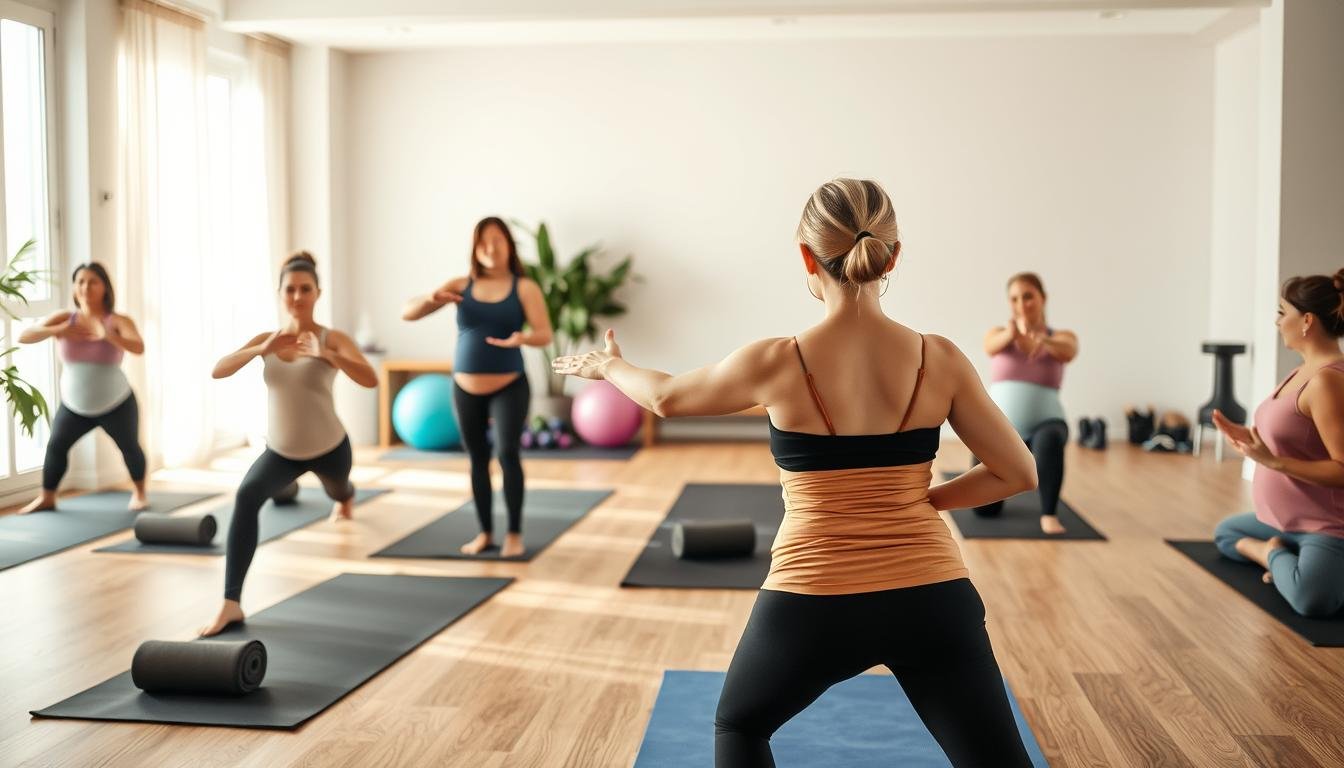
Postnatal Recovery Exercise focuses on gentle movements that promote healing after childbirth. These exercises are designed to strengthen your core while being mindful of your body’s needs. Engaging in postnatal strength training can help restore muscle function and stability, particularly for those dealing with diastasis recti.
Which Exercises Are Safe Postpartum?
Several exercises are safe and effective for postpartum recovery. Consider incorporating the following into your routine:
- Transverse abdominal squeezes
- Pelvic tilts
- Modified curl-ups
- Side planks
These movements focus on engaging deep abdominal muscles without straining your body. They play a crucial role in postpartum core rehabilitation.
How to Incorporate Breathing Techniques into Your Postnatal Recovery Exercise?
Breathing techniques are essential in optimizing your postnatal recovery. Coordinate your breath with your movements to enhance muscle activation. For example:
- Inhale deeply to prepare your core.
- Exhale while engaging your abdominal muscles.
This practice helps reduce intra-abdominal pressure, supporting your healing process.
Are There Any Precautions to Consider While Exercising?
While exercising postpartum, certain precautions are necessary to ensure safety:
- Avoid heavy lifting.
- Steer clear of excessive abdominal strain.
- Watch for signs of abdominal doming or pain during exercises.
If you experience discomfort or are unsure about any movements, consult a healthcare provider. Your safety is paramount as you embark on your postnatal recovery journey.
How Soon Can You Start Postnatal Recovery Exercise After Childbirth?
Starting postnatal recovery exercise is crucial for your healing journey. Most women can begin gentle exercises around 6 to 8 weeks postpartum. This timing can vary based on individual recovery and your healthcare provider’s advice. Consulting your OBGYN or physical therapist before starting is essential to ensure a safe approach.
Creating a balanced post-delivery fitness plan is vital. Focus on gradual intensity and include maternal recovery exercises that target your core and pelvic floor. This plan should evolve as your strength improves. Listen to your body and adjust your routine based on how you feel.
Seeking help from specialized trainers or physiotherapists can be beneficial, especially if you experience severe diastasis recti or persistent symptoms. These professionals can provide personalized guidance and support, ensuring your postnatal recovery exercise routine promotes optimal healing.